Kettlebell Training for Beginner Women: One Bell, Total-Body Strength
Quick Answer: Most beginner women should start with a single 8kg (18lb) kettlebell — or 12kg (26lb) if you already strength train. Learn five moves: deadlift, swing, goblet squat, overhead press, and farmer carry. Run them as a 20-minute circuit three days a week. One bell, about $30–50, and four square feet of floor is the entire setup.
If home fitness equipment were a talent show, the kettlebell would win everything. Strength, cardio, core, and mobility from one cannonball-shaped object that lives quietly in a corner and never needs charging.
Women often start with kettlebells for the efficiency and stay for how strong they feel carrying groceries. Here’s the complete starter kit.
Why Is a Kettlebell Better Than Dumbbells for Beginners?
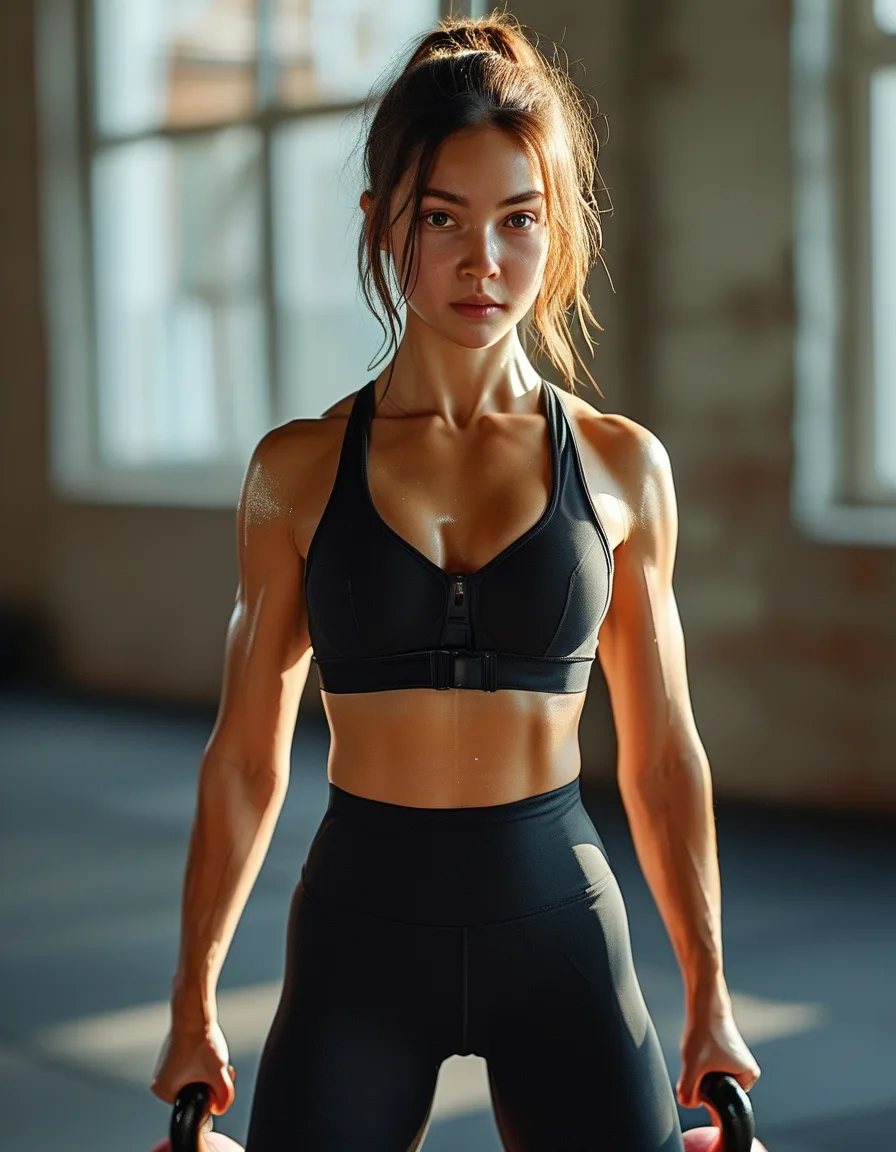
The difference is where the weight sits. A kettlebell’s mass hangs below the handle, off-center from your grip. That turns every rep into a small balance-and-stability challenge your core has to solve, which a dumbbell — balanced neatly in your palm — never asks for.
The bigger difference is the movement style. Kettlebell signature moves are ballistic: swinging, dynamic, driven by the hips rather than the arms. That means you’re training strength and cardio in the same minute rather than in two separate sessions. Research on kettlebell training consistently shows improvements in power, aerobic capacity, and posture-supporting back and glute strength simultaneously.
Translation: maximum return per sweaty minute, in roughly the floor space of a bath mat.
What Weight Kettlebell Should a Beginner Woman Buy?
Heavier than you’re about to guess.
The classic beginner mistake is buying a 4kg bell because it’s what the rack at the store had in pink. Kettlebell movements are powered by your hips and glutes — the strongest muscles you own — not your arms. A bell that’s too light forces you to lift it with your arms, which teaches exactly the wrong pattern and builds nothing.
- 8kg (18lb) — the right all-around starting point for most beginner women.
- 12kg (26lb) — if you already strength train regularly.
- 6kg (13lb) — reasonable only if you’re brand new to any resistance training, and plan to outgrow it within about 8 weeks.
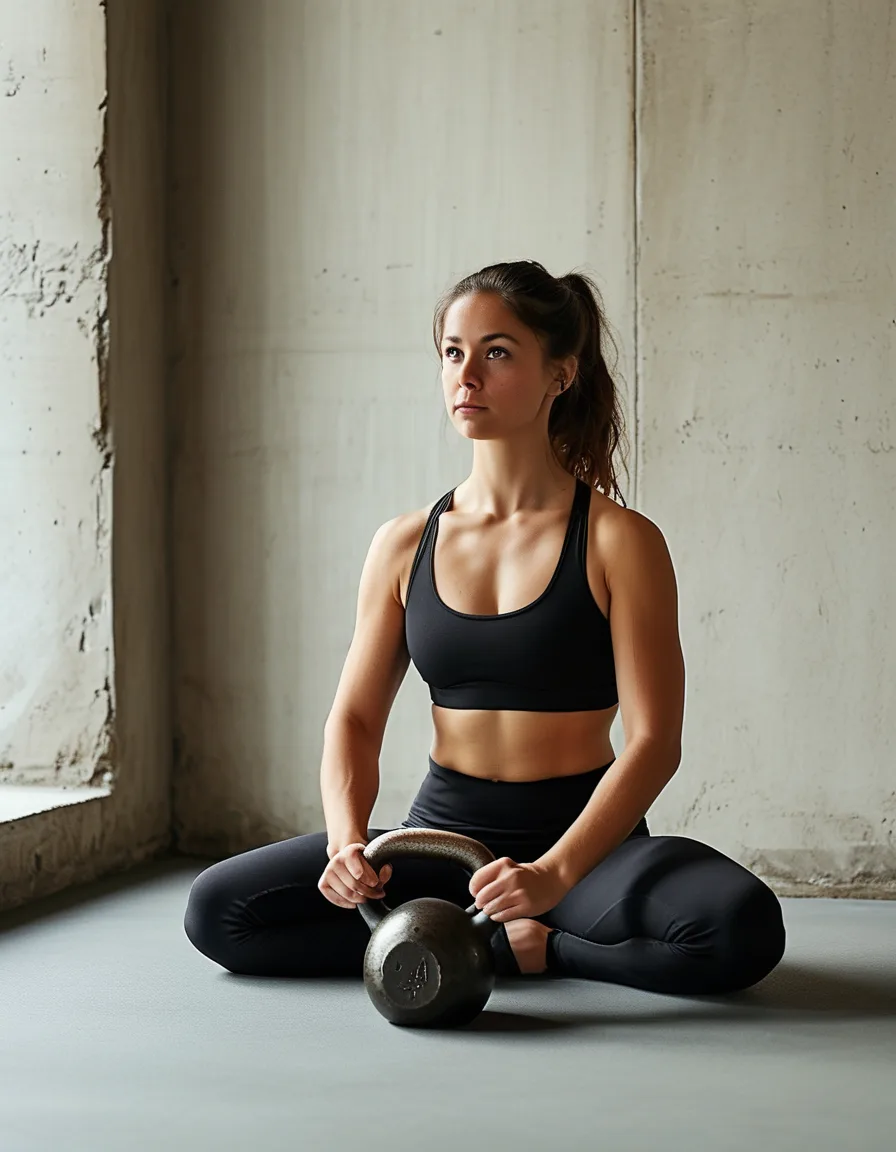
Buy one good cast-iron bell with a smooth, wide handle. $30–50 gets you something that will outlive every fitness gadget you’ve ever purchased. Skip the three-piece set — you won’t need the others for months.
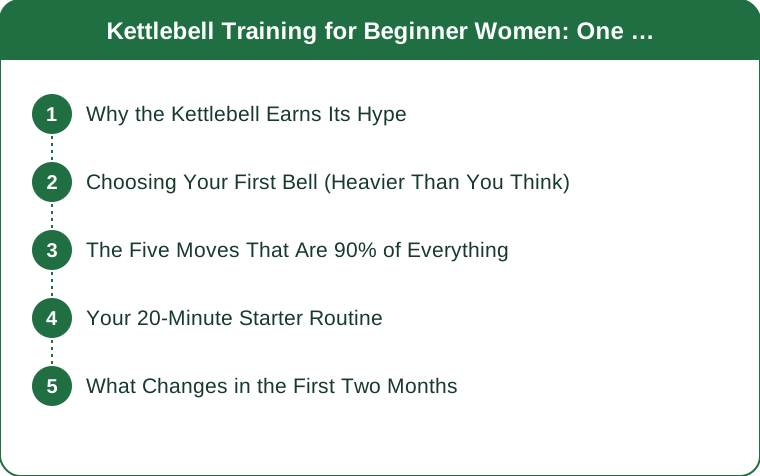
The Five Moves That Are 90% of Everything
1. Deadlift. Bell between your feet, hinge at the hips, flat back, stand up. This teaches the hip hinge that every other move borrows. Learn this first — the swing is just a deadlift that got exciting.
2. Swing. The crown jewel. Hike the bell back between your legs, then snap your hips forward so it floats to chest height. Your arms are ropes, not levers. Glutes and heart rate both go up dramatically.
3. Goblet squat. Bell hugged against your chest, squat as deep as you comfortably can. The front-loaded position forces an upright torso, which makes it the best squat-form teacher that exists.
4. Overhead press. Bell racked at the shoulder, press straight up. Keep your ribs down and your wrist stacked over your elbow.
5. Farmer carry. Hold the bell at your side and walk. Absurdly simple, absurdly effective for grip, core, and posture — and it’s the most directly transferable move on the list.
Your 20-Minute Starter Routine
Three days a week, non-consecutive.
Warm up 3 minutes — 20 bodyweight squats, 10 hip hinges, arm circles. Then the circuit:
- 10 deadlifts
- 10 goblet squats
- 15 swings
- 5 overhead presses per arm
- 30-second farmer carry per hand
Rest 60 seconds, repeat for 3–4 rounds. That’s it.
5 Mistakes Everyone Makes With Kettlebells
1. Buying too light. Covered above, and it remains the number one error. A 4kg bell can’t teach a hip hinge.
2. Squatting the swing. If your knees are bending a lot and your hips aren’t snapping, you’re squatting. The swing is a hinge — knees soften, hips do the work.
3. Lifting the bell with your arms. The bell should feel like it floats to chest height on momentum. If your shoulders are burning during swings, your hips aren’t firing.
4. Rounding your back on the deadlift. Flat and proud, chest lifted. This is the one form error that can genuinely hurt you.
5. Never filming yourself. One phone video of a single set is the cheapest coaching available and catches nearly every problem on this list. Do it in week one and again in week four.
What Changes in the First Two Months
Week 1: your grip and hamstrings file formal complaints. Expect to be sore in places you didn’t know had muscles.
Week 3: the swing clicks. There’s a specific moment where the hip snap stops being a movement you’re performing and starts feeling like flying. Everyone remembers it.
Week 6: groceries come up the stairs in one trip. Posture straightens on its own because your upper back finally has something holding it. Your jeans negotiate a new arrangement with your glutes.
Strength shows up in daily life faster with kettlebells than with almost any other tool, because the movements are daily life — picking things up, carrying them, putting them overhead.
FAQ
Is 8kg too heavy for a complete beginner?
For swings and deadlifts, 8kg is usually appropriate even on day one, since those are hip-driven. If the overhead press feels too heavy at 8kg, do that one move with a lighter object or fewer reps and build up. Different moves tolerate different loads — that’s normal.
How many days a week should I do kettlebell workouts?
Three non-consecutive days is the sweet spot for beginners — enough stimulus to progress, enough recovery to avoid the grip and hamstring fatigue that derails people in week two. Two days still builds strength if three doesn’t fit.
Will kettlebell training make me bulky?
No. Building substantial muscle mass requires a sustained calorie surplus and years of progressive heavy loading. What kettlebell training reliably produces is stronger glutes, a more stable core, and better posture — which most people describe as looking leaner, not bigger.
TL;DR:
- Buy one 8kg (18lb) bell — 12kg if you already train. Heavier than instinct suggests.
- Five moves cover everything: deadlift, swing, goblet squat, press, farmer carry.
- 20-minute circuit, 3 non-consecutive days a week, 3–4 rounds.
- The swing is a hip hinge, not an arm lift or a squat.
- Film one set in week one — it’s the cheapest form coaching there is.
Keep Reading
This article is for general informational and styling purposes only. Fit, sizing, and product availability may vary.