The Kettlebell Swing Mistake That Turns a Hip Hinge Into a Squat (And Why It Matters)
Quick Answer: If your kettlebell swing feels like a squat with an arm lift, you’ve swapped the hip hinge for a squat pattern. That shifts the work from glutes and hamstrings to quads and knees, and it loads your lower back in a position the movement wasn’t designed around. Check knee travel and torso angle — those two cues separate the patterns.
Your swing looks fine to you. Your quads are sore the next day and your lower back is grumbling, which is odd for an exercise everyone calls a posterior chain movement.
That combination is the signature of a squat wearing a swing’s clothing.
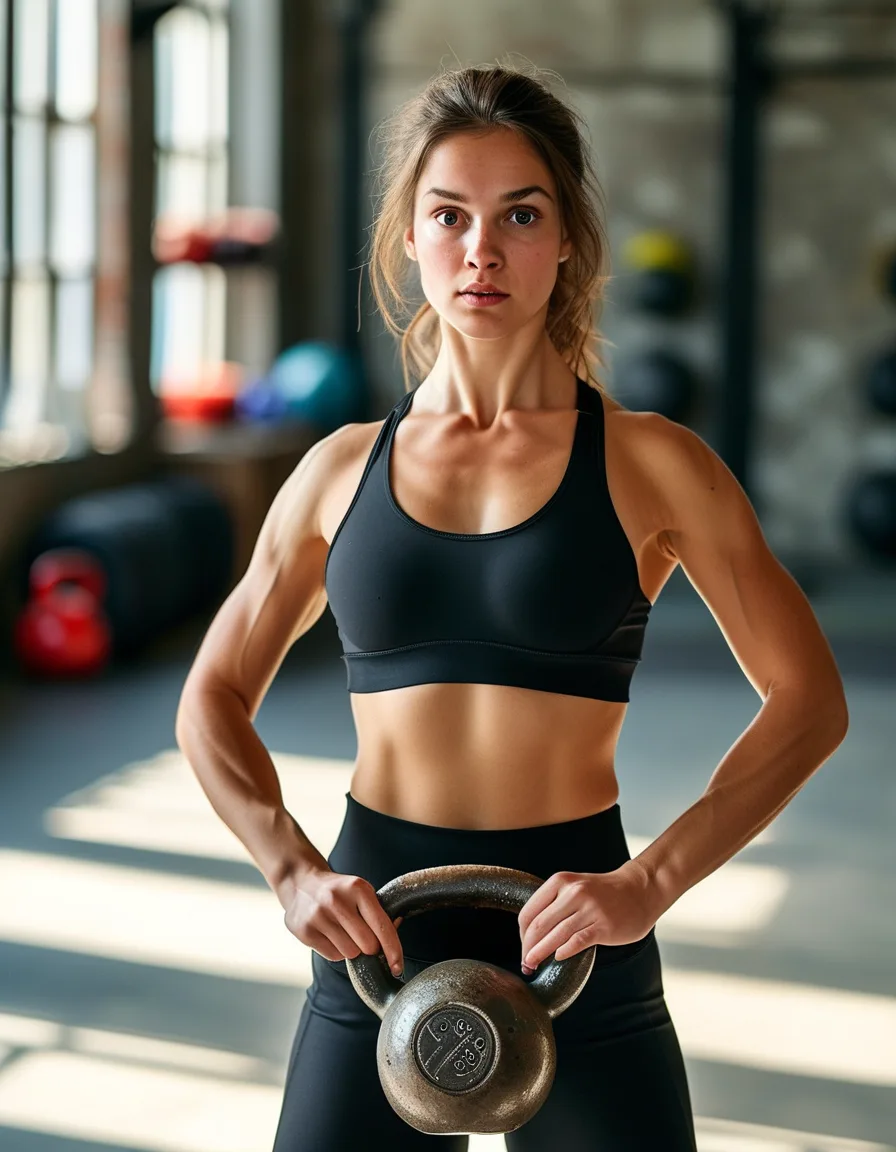
Why Does Squatting Instead of Hinging Matter So Much?
Because it changes both what you’re training and what you’re risking.
The muscles change. A hip hinge drives from the glutes and hamstrings — that’s the entire point of the exercise. A squat pattern shifts the work to the quadriceps and loads the knees. So you’re doing a posterior chain exercise that isn’t training your posterior chain, which is a lot of effort for the wrong adaptation.
The risk profile changes. The swing is engineered around a specific torso angle and spinal position. Substituting a squat produces a different torso angle and a different loading pattern than the movement was built for, and repeated reps in that mismatch place the lower back at meaningfully increased injury risk.
This isn’t a nitpick about form aesthetics. It’s a different exercise being performed under a name that implies safety parameters it no longer has.
How Do You Tell a Hinge From a Squat?
Two cues, and both are visible from the side.
Cue 1: Knee bend and forward travel.
- Hinge: knees bend slightly and stay roughly over the ankles. They soften; they don’t travel forward.
- Squat: knees bend substantially and travel forward over the toes.
If your knees are moving forward on each rep, you’re squatting. That’s the fastest single check.
Cue 2: Torso angle.
- Hinge: the torso leans forward considerably from the hip — closer to horizontal at the bottom. Hips travel back.
- Squat: the torso stays noticeably more upright throughout, and the hips travel down.
Back vs. down is the essence of it. In a proper swing the hips shoot backward like you’re closing a car door with them, and the bell travels back between your thighs. In a squat substitution the hips drop, the bell has nowhere to go, and your arms end up lifting it — which is why the swing starts feeling like a front raise with extra steps.
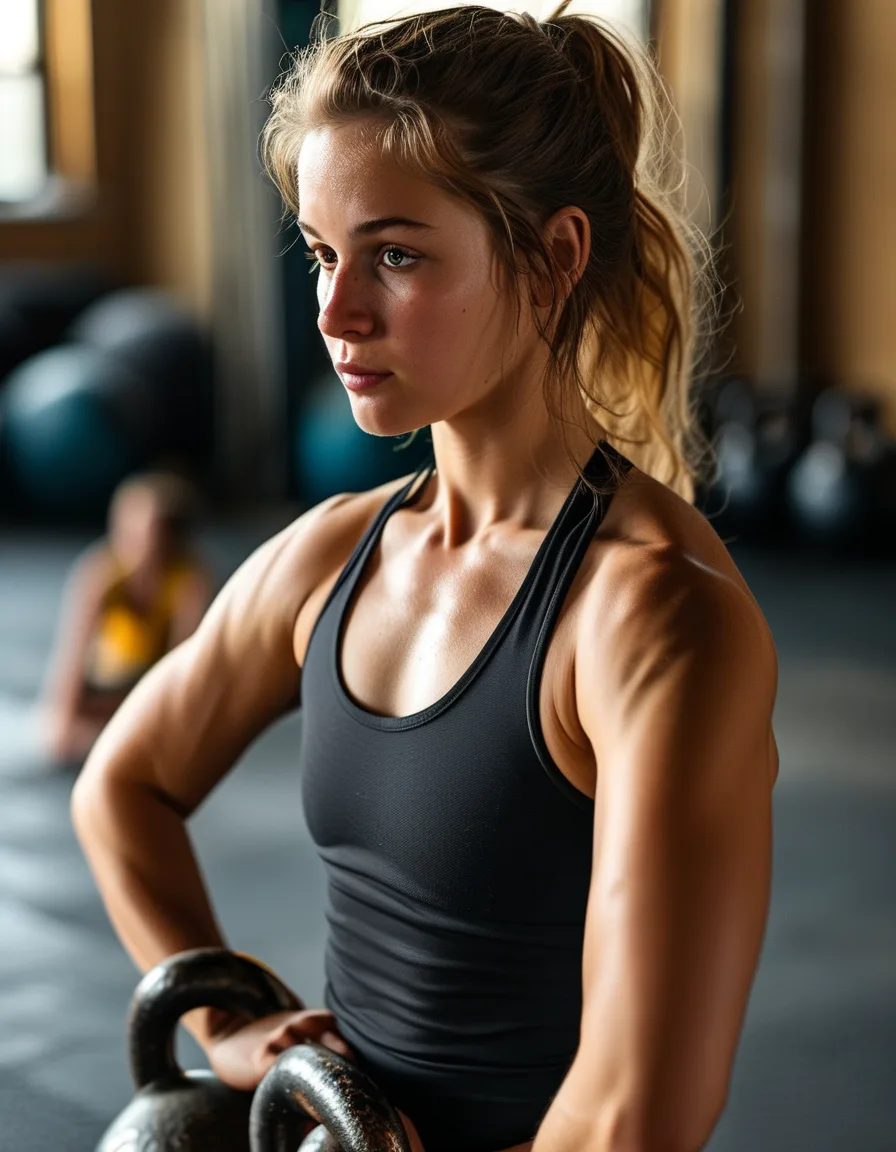
5 Mistakes Everyone Makes on Kettlebell Swings
- Squatting the swing. The one this whole article is about — and it feels correct from the inside, which is why it persists.
- Lifting the bell with the arms. A consequence of the squat pattern. If your shoulders are working, your hips aren’t.
- Going too heavy too early. Heavy loads recruit whatever pattern is most familiar, and for most people that’s a squat.
- Swinging too fast to think. High-tempo sets bury technique errors under momentum.
- Never filming it. The third mistake surprises people, but this is the one that keeps everyone stuck: the substitution feels correct from the inside, so internal feedback alone can’t catch it.
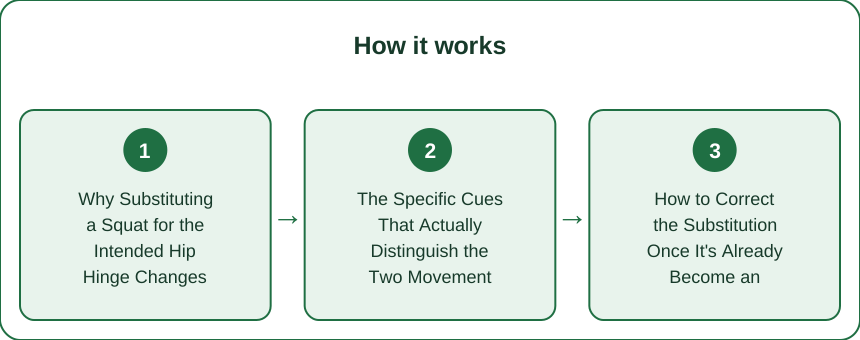
How Do You Fix It Once It’s Ingrained?
Three steps, in order. Skipping to step three is why most people’s swings never actually change.
1. Practice the hinge with no weight at all. Stand about a foot from a wall, facing away. Push your hips back until your glutes touch the wall, keeping knees soft and shins near-vertical. That’s the hinge. Do 10–15 reps until it feels automatic.
A dowel or broomstick works too: hold it along your spine touching the back of your head, upper back, and tailbone. If all three stay in contact through the movement, your spine position is right. If contact breaks, you’ve either rounded or squatted.
2. Slow the swing down dramatically during correction. Not your normal tempo — deliberately slow, so conscious attention can actually monitor what the knees and hips are doing in real time. You can’t correct a pattern moving too fast to observe. Light bell, low reps, full attention.
3. Film it from the side. This is non-negotiable, because the substitution feels correct from the inside. Set your phone at hip height, record a set of 8, and check both cues: did the knees travel forward, and how upright was the torso? Video removes the argument.
Then rebuild: light weight, sets of 8–10, clean pattern, and only add load once video confirms the hinge is holding at that weight.
Practical note: swings involve a bell passing close between your thighs at speed. Loose fabric there is a genuine hazard, not a comfort preference — fitted squat-proof high waist leggings keep the path clear and stay put through the hinge.
When to see a professional: lower back pain during or after swings warrants stopping and getting assessed rather than adjusting cues on your own. A coach watching a single set can also fix in ten minutes what video-and-guesswork takes weeks to sort out. This is general information, not medical advice.
FAQ
Should I feel kettlebell swings in my quads?
Not primarily. Glutes and hamstrings should do the work, with some core involvement. Quad-dominant soreness after swings is a strong signal you’ve been squatting them.
How high should the kettlebell go?
Chest height on a standard Russian swing, driven entirely by hip snap rather than by lifting with the arms. If you’re raising it with your shoulders, the hips didn’t produce enough.
Can I fix this without a coach?
Often yes, with wall hinges plus side-view video. A coach is faster and worth it if pain is involved or if the video still looks wrong after a few weeks.
TL;DR
- A squat substitution shifts work from glutes and hamstrings to quads and knees and loads the low back in an unintended position.
- Two cues: knees stay near-vertical in a hinge and travel forward in a squat; torso leans well forward in a hinge and stays upright in a squat.
- Hips go back, not down.
- Fix it in order: unweighted wall hinges → dramatically slowed swings → side-view video before adding load.
- Stop and get assessed for any lower back pain.
Keep Reading
This article is for general informational and styling purposes only. Fit, sizing, and product availability may vary.