The Kettlebell Swing Mistake That Turns a Hip-Hinge Movement Into a Squat
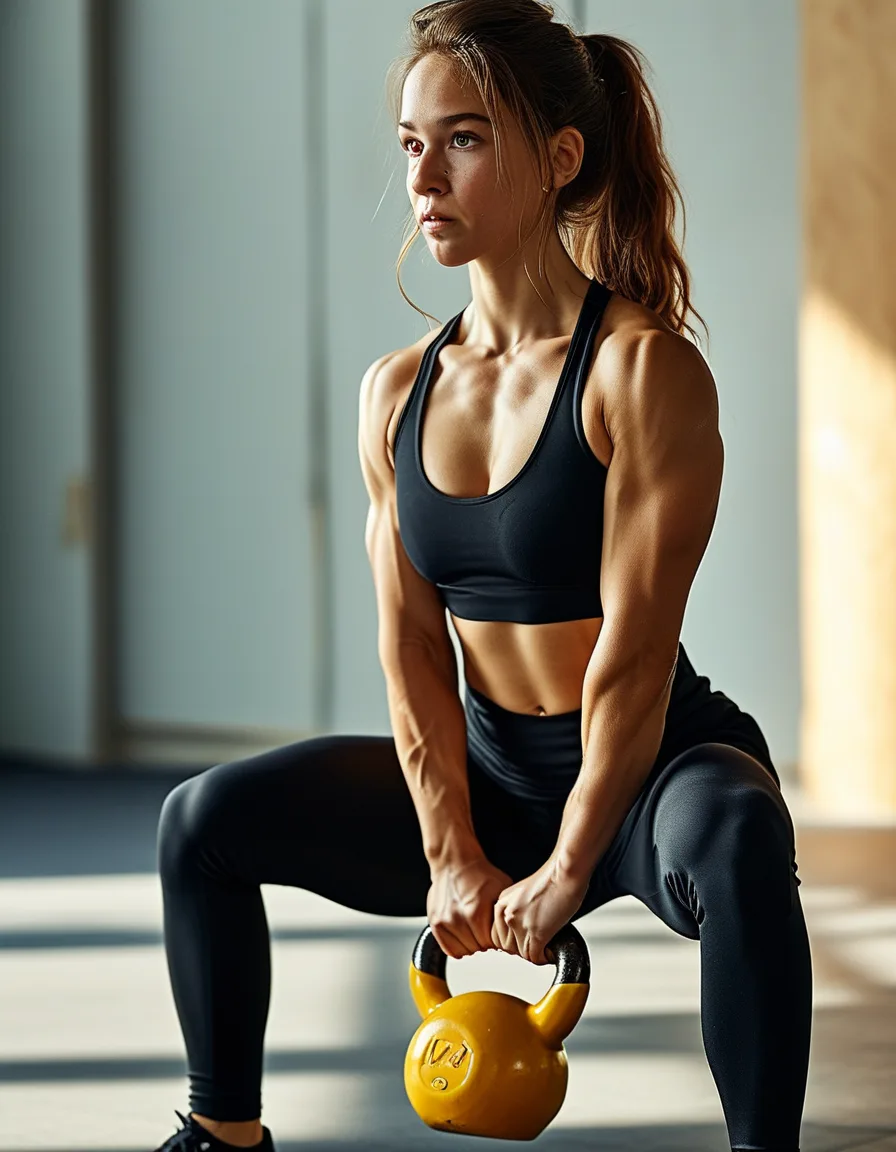
The kettlebell swing is specifically designed as a hip-hinge movement, and it gets performed as a disguised squat far more often than most lifters realize, a substitution that quietly changes which muscles do the actual work and undermines much of the exercise’s intended benefit. Here is why this substitution happens without the lifter noticing, and how to actually correct it.
Why the Squat Substitution Happens Without the Lifter Noticing
The reasons it goes undetected: the the-squat-pattern-is-simply-more-familiar-and-more-instinctively-comfortable-for-most-people-than-a-true-hip-hinge (the squat movement pattern being generally more familiar and instinctively comfortable for most people from everyday life and other common exercises, meaning the body naturally defaults toward it under load unless the hip hinge is deliberately and consciously cued, per the kettlebell-swing-form-fixes-guide logic — the squat-movement-pattern-being-generally-more-familiar-and-instinctively-comfortable-for-most-people-meaning-the-body-naturally-defaults-toward-it-under-load-unless-deliberately-cued), the the-a-squat-substitution-can-still-move-the-kettlebell-successfully-through-a-similar-visible-arc-making-the-substitution-invisible-without-close-form-analysis (the squat-based version of the swing still successfully moving the kettlebell through a visually similar overall arc, meaning the substitution isn’t obviously wrong from a simple glance at the movement’s outward result, requiring closer form analysis to actually catch it, per the kettlebell-mistakes-guide logic — the squat-based-version-still-successfully-moving-the-kettlebell-through-a-visually-similar-overall-arc-meaning-the-substitution-isnt-obviously-wrong-from-a-simple-glance-requiring-closer-analysis-to-actually-catch-it), and the reframe (the substitution happening undetected as a predictable result of natural movement-pattern preference plus a visually similar outward result — not a sign of careless technique, just an easy, common thing to miss without deliberate attention).

What the Squat Substitution Actually Changes
The functional consequence: the a-squat-based-swing-shifts-the-primary-work-toward-the-quadriceps-and-away-from-the-posterior-chain-the-swing-is-specifically-designed-to-train (the squat-substituted version of the swing shifting a meaningful share of the primary muscular work toward the quadriceps and away from the glutes and hamstrings, the posterior chain muscle groups the hip-hinge swing is specifically designed to target, per the kettlebell-swing-form-fixes-guide logic — the squat-substituted-version-shifting-a-meaningful-share-of-primary-work-toward-the-quadriceps-and-away-from-the-glutes-and-hamstrings-the-posterior-chain-the-hip-hinge-swing-is-specifically-designed-to-target), and the frame (the actual consequence as a genuine shift in which muscle groups do the primary work, meaning the substituted version isn’t just a technique nitpick but a change in what the exercise is actually training).
How to Actually Correct It
The practical fix: the practice-the-hip-hinge-pattern-in-isolation-without-a-kettlebell-first-until-it-feels-genuinely-natural (the practicing the hip-hinge movement pattern on its own, without any weight at all, specifically until it starts to feel genuinely natural before adding the kettlebell back in, isolating the pattern correction from the added complexity of the swing itself, per the kettlebell-swing-hip-hinge-versus-squat-guide logic — the practicing-the-hip-hinge-pattern-on-its-own-without-any-weight-specifically-until-it-feels-genuinely-natural-before-adding-the-kettlebell-back-in-isolates-the-correction-from-the-added-complexity-of-the-swing), the the-use-a-tactile-cue-like-touching-a-wall-behind-you-with-the-hips-to-provide-immediate-physical-feedback-on-whether-the-hinge-is-happening-correctly (the using a physical tactile cue — hips tapping a wall positioned just behind, for instance — to provide immediate, unambiguous physical feedback on whether the hip hinge is actually happening correctly, rather than relying on internal feel alone which is exactly what allowed the substitution to go unnoticed in the first place, per the kettlebell-workout-beginners-guide logic — the using-a-physical-tactile-cue-like-hips-tapping-a-wall-positioned-just-behind-provides-immediate-unambiguous-feedback-rather-than-relying-on-internal-feel-alone-which-allowed-the-substitution-to-go-unnoticed), and the frame (the correction as practicing the hip hinge pattern in isolation without any weight until it feels genuinely natural, and using a tactile cue like a wall behind the hips for immediate unambiguous feedback — addressing the pattern directly rather than continuing to rely on the same internal feel that allowed the substitution to happen unnoticed in the first place).
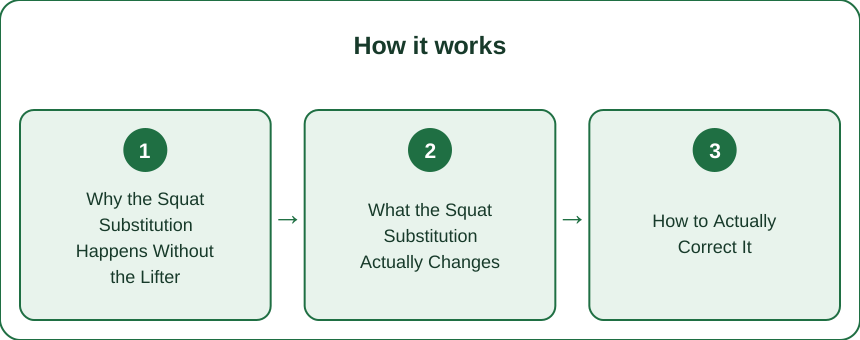
The kettlebell swing frequently gets performed as a disguised squat rather than a true hip hinge because the squat pattern is simply more familiar and instinctively comfortable for most people, so the body naturally defaults toward it under load unless the hip hinge is deliberately cued, and a squat-based version still successfully moves the kettlebell through a visually similar arc, making the substitution invisible without close form analysis. This substitution genuinely matters because it shifts a meaningful share of the primary work toward the quadriceps and away from the glutes and hamstrings, the exact posterior chain muscle groups the hip-hinge swing is specifically designed to train. Correcting it means practicing the hip-hinge pattern in isolation without any weight at all until it feels genuinely natural before reintroducing the kettlebell, and using a physical tactile cue like the hips tapping a wall positioned just behind to provide immediate, unambiguous feedback on whether the hinge is actually happening correctly, rather than continuing to rely on the same internal feel that let the substitution go unnoticed in the first place.
Keep Reading
This article is for general informational and styling purposes only. Fit, sizing, and product availability may vary.