Why Kettlebell Swings Hurt Your Lower Back (And the Fix That Actually Works)
Quick Answer: Lower back pain during kettlebell swings almost always comes from squatting the movement instead of hinging at the hips, which forces the lower back to round and bear load that the glutes and hamstrings should be handling. Cueing ‘push the hips back’ rather than ‘bend the knees’ fixes the pattern for most people quickly.
A sore lower back after swings isn’t a sign kettlebells are bad for you — it’s almost always a hip hinge that’s turned into a squat somewhere along the way.

Why does a squat pattern specifically cause lower back strain in a swing?
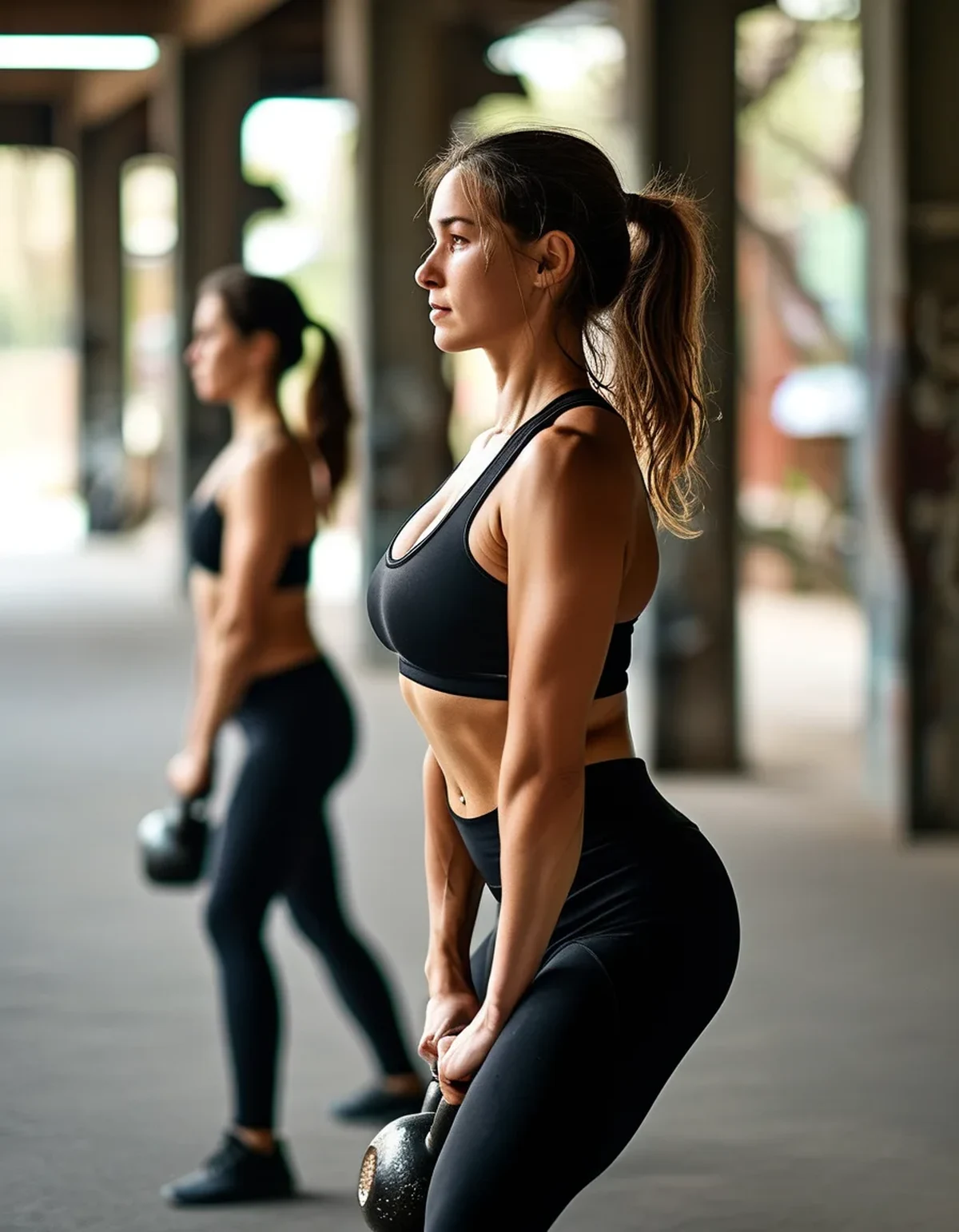
A swing is designed as a hip-hinge movement, generating power from the glutes and hamstrings snapping the hips forward — when it turns into a squat pattern instead, the spine ends up rounding under load to compensate for hips that aren’t driving the movement, putting strain directly on the lower back.
What’s the simplest cue to fix a squatting swing pattern?
‘Push your hips back like closing a car door with your butt’ redirects the movement toward a hinge rather than a squat, and tends to work faster for most people than more technical verbal cues about spine position.
Should the kettlebell swing feel more like the legs or the hips are doing the work?
The hips should feel like the primary driver, snapping forward explosively at the top of the movement, while the arms stay relatively passive, simply guiding the kettlebell’s path rather than actively lifting it.
5 Mistakes That Cause Kettlebell Swing Back Pain
- Squatting instead of hinging, rounding the lower back under load. 2. Lifting the kettlebell with the arms rather than letting hip drive project it forward. 3. Using too heavy a kettlebell before the hinge pattern is solid. 4. Rounding the upper back at the bottom of the swing. 5. Rushing reps without resetting a braced core position between swings.
FAQ: Kettlebell Swing Back Pain Questions, Answered
Should I stop doing kettlebell swings if my back already hurts from them?
Pausing swings while addressing the technique issue is reasonable, but the fix is usually correcting the hip hinge pattern rather than avoiding the exercise entirely long-term.
How can I check my own hinge pattern without a trainer watching?
Recording a video from the side and checking whether the hips move noticeably further back than the knees bend is a simple way to self-assess whether the pattern is a hinge or has drifted into a squat.
Is some soreness in the lower back normal after swings, even with good form?
Mild muscular soreness in the glutes and hamstrings is expected with good form, but sharp or persistent lower back pain specifically is a sign the hinge pattern needs attention, not a normal part of the exercise.
TL;DR:
- Lower back strain in swings usually comes from squatting instead of hinging
- Cueing hips back rather than bending knees fixes the pattern for most people
- The hips, not the arms, should drive the kettlebell’s movement
- A side-view video check reveals whether the pattern has drifted into a squat
Once the hinge pattern is solid, kettlebell swings load the glutes and hamstrings as intended, taking the lower back out of the equation entirely.
Keep Reading
This article is for general informational and styling purposes only. Fit, sizing, and product availability may vary.