A Kettlebell Lower-Body Workout for Strong Legs and Glutes
A single kettlebell is a brilliant tool for building strong legs and glutes — its shape makes squats, hinges and lunges both effective and joint-friendly. You do not need a rack of weights for a serious lower-body session. Here is why kettlebells work so well for the lower body, a simple routine, and the form notes to lift safely.
Why Kettlebells Are Great for the Lower Body
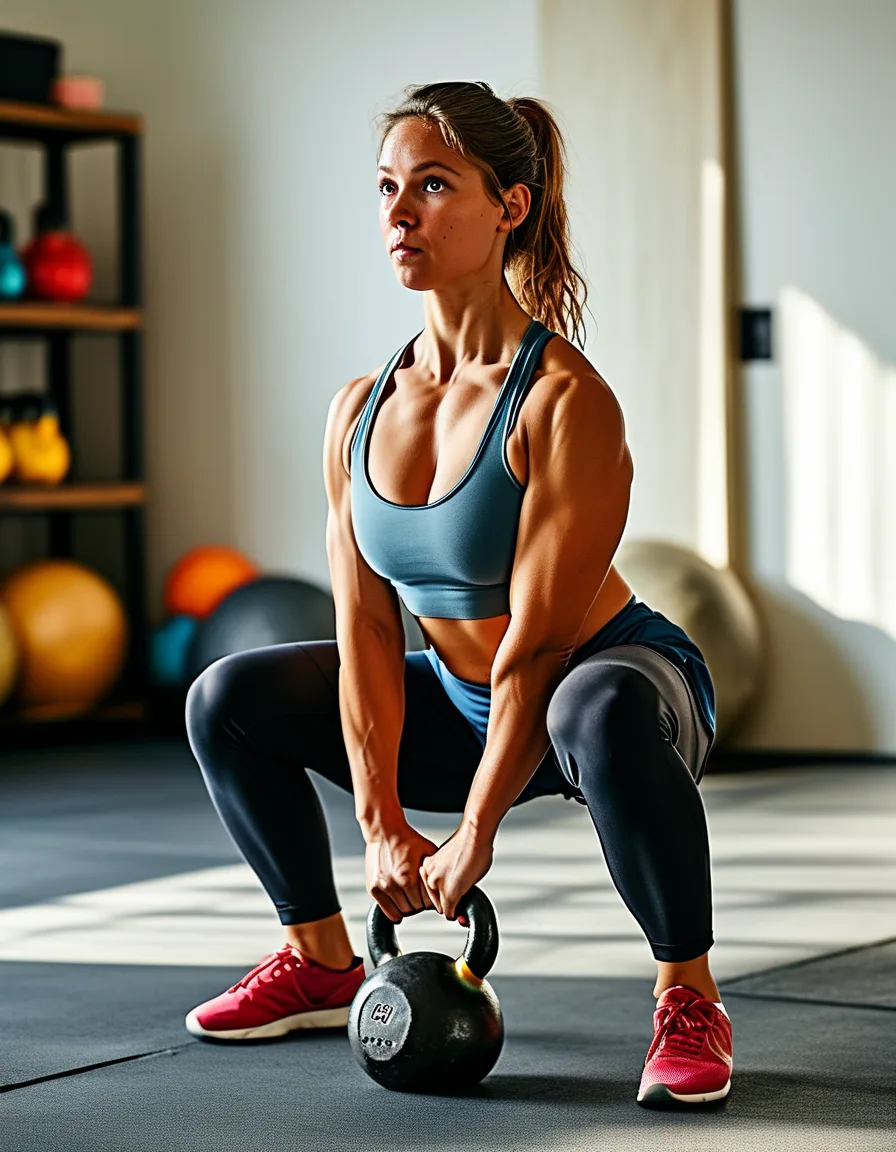
The kettlebell advantage: the the-loaded-hinge (the kettlebells being ideal for the hip hinge that builds glutes and hamstrings from the swing logic — the the-hinge-tool), the the-goblet-position (the the goblet hold making squats accessible and core-engaging — the the-friendly-squat), the the-offset-load-challenge (the the kettlebell’s offset weight adding a stability challenge — the the-stability-bonus), the the-compact-and-versatile (the one bell training the whole lower body from the single-kettlebell logic — the one-tool-many-moves), the the-joint-friendly-strength (the strength with a natural movement pattern easy on the joints — the gentle-yet-strong), the the-cardio-and-strength (the flows and swings adding a cardio element from the cardio logic — the two-in-one), and the reframe (the kettlebell as a compact, versatile, joint-friendly tool for serious lower-body strength — legs and glutes from one bell).
The Simple Effective Routine
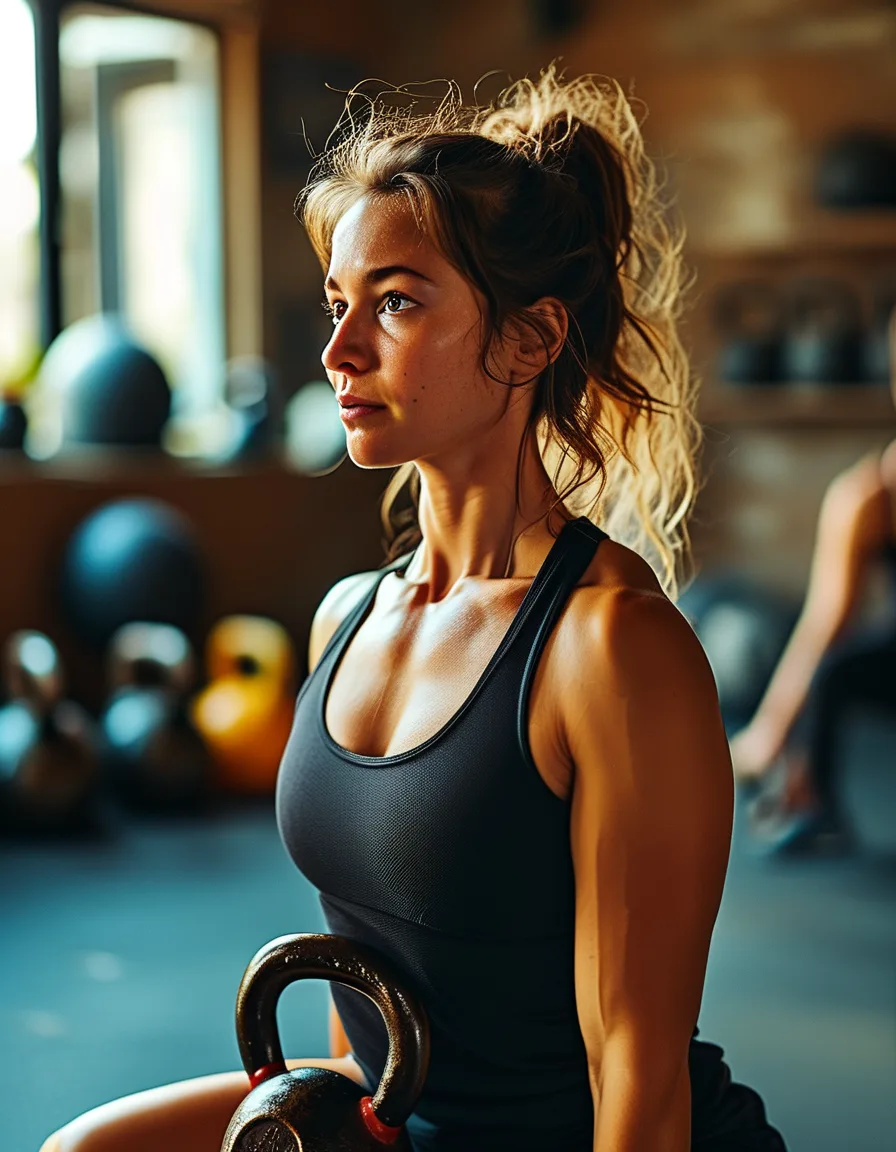
A lower-body kettlebell session: the the-warm-up (the a few minutes of dynamic warm-up first from the warm-up logic — the prep-the-hips), the the-goblet-squats (the goblet squats for the quads and glutes — the the-squat-builder; the depth-with-control), the the-kettlebell-deadlifts (the hinging deadlifts for the glutes and hamstrings from the swing logic — the the-hinge), the the-kettlebell-swings (the swings for power, glutes and conditioning from the swing logic — the the-power-move), the the-reverse-lunges (the loaded reverse lunges for single-leg strength — the the-unilateral-work), the the-single-leg-deadlift (the single-leg hinges for balance and the hamstrings — the the-balance-builder), the the-controlled-reps (the controlled, full-range reps — the quality-first), and the the-circuit-or-sets (the sets or a circuit for strength or conditioning — the structure-to-goal).
The Form Notes to Lift Safely
Lifting well: the the-hinge-from-the-hips (the hinging at the hips with a flat back on deadlifts and swings from the swing-form logic — the hips-not-back), the the-brace-the-core (the a braced core to protect the spine on every lift — the protect-the-back), the the-power-from-the-hips-on-swings (the swings driven by the hips, not the arms lifting from the swing-form logic — the hip-snap-not-arm-raise), the the-knees-track-over-toes (the knees tracking over the toes in squats and lunges — the alignment), the the-appropriate-weight (the a weight you control with good form from the mistakes logic — the form-appropriate-load), the the-controlled-not-swung-wildly (the control throughout, especially as you fatigue — the own-the-bell), the the-full-range (the full-depth, full-lockout reps — the complete-reps), and the frame (the kettlebell lower-body workout as goblet squats, deadlifts, swings and lunges done with a hip hinge, braced core and controlled reps — strong legs and glutes from one bell. Hinge from the hips with a flat back, brace the core, drive swings from the hips, and pick a weight you control).
A single kettlebell is brilliant for building strong legs and glutes — its shape makes squats, hinges and lunges effective and joint-friendly, so you do not need a rack of weights. Kettlebells excel for the lower body because they are ideal for the hip hinge that builds glutes and hamstrings, the goblet hold makes squats accessible and core-engaging, and the offset load adds a stability challenge, all from one versatile bell. The routine: warm up, then goblet squats, kettlebell deadlifts, swings for power, reverse lunges, and single-leg deadlifts — with controlled, full-range reps. Lift safely by hinging from the hips with a flat back, bracing the core, driving swings from the hips (not the arms), keeping knees tracking over toes, choosing a weight you control, and staying controlled as you fatigue. Strong legs and glutes from one bell.
Keep Reading
This article is for general informational and styling purposes only. Fit, sizing, and product availability may vary.