The Kettlebell Goblet Squat: A Full Form Guide and Why Beginners Should Start Here
Quick Answer: The kettlebell goblet squat is held at chest height with both hands cupping the horns of the bell, elbows pointed down and tucked close to the ribs, feet slightly wider than shoulder width — the front-loaded position naturally keeps the torso upright and makes it one of the most beginner-friendly squat variations for learning depth and knee tracking before progressing to barbell work.
Most kettlebell programs, and a lot of trainers, start beginners here specifically because the front-loaded position corrects several common squat mistakes almost automatically.
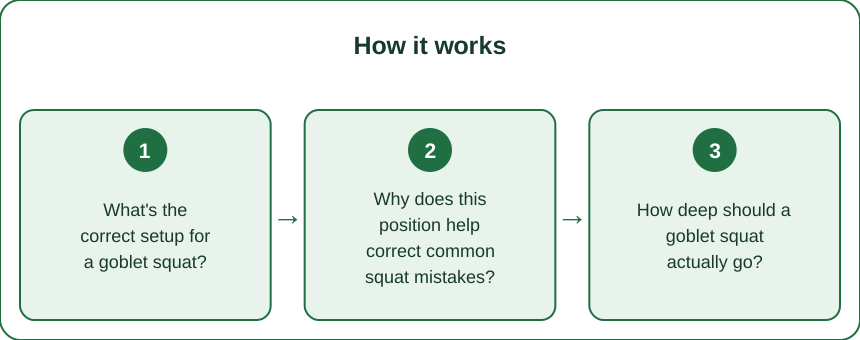
What’s the correct setup for a goblet squat?
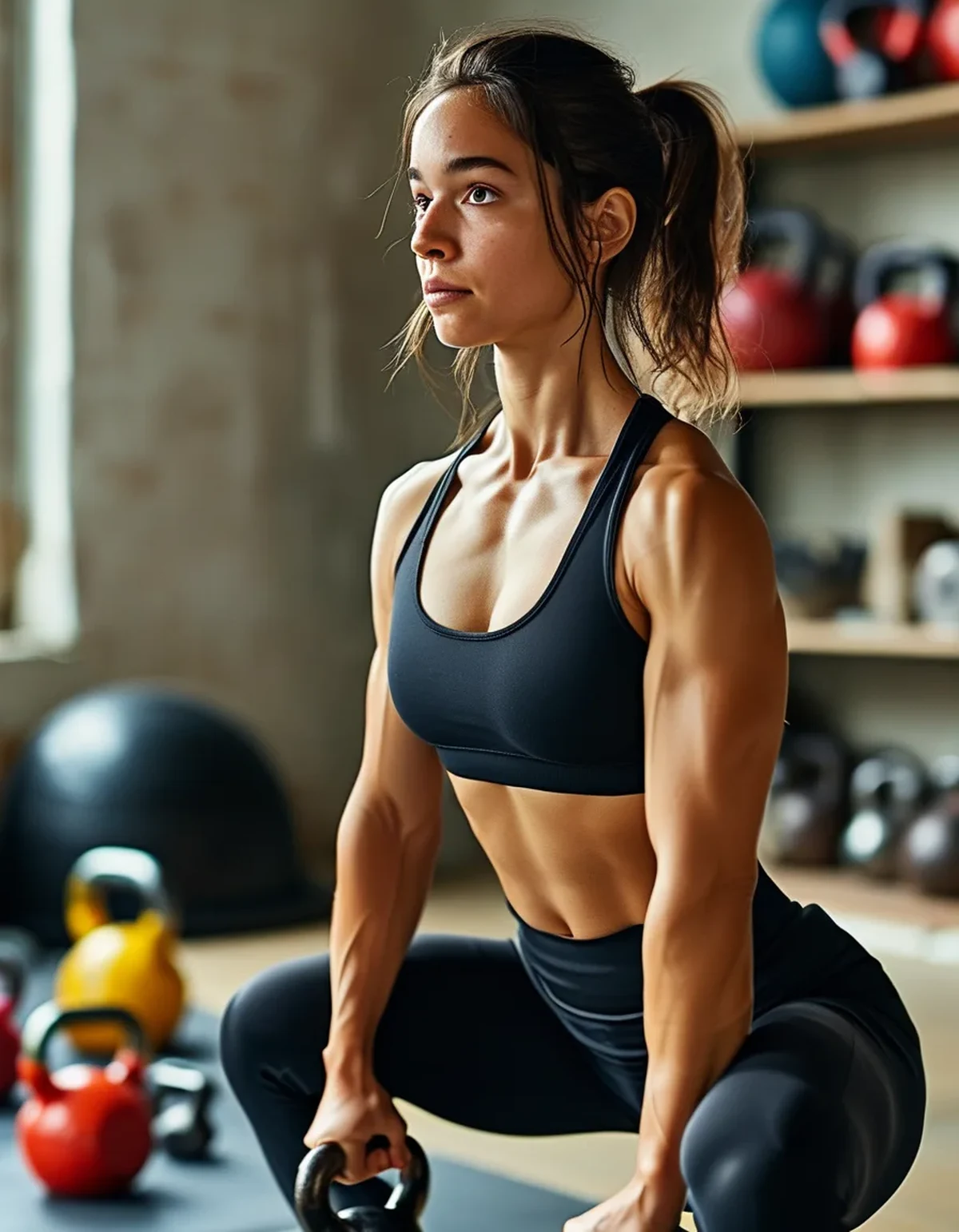
Hold the kettlebell vertically against the chest, both hands cupping the horns (the handles on either side of the bell), elbows pointed down and kept close to the ribs rather than flared out. Feet should be set slightly wider than shoulder width, toes turned out a small amount — roughly 15-20 degrees is a reasonable starting point for most people.
Why does this position help correct common squat mistakes?
Holding weight at the front of the chest naturally counterbalances the hips, making it easier to keep the torso upright through the full range of motion — a common problem in unweighted or barbell squats, where the torso tends to pitch forward. The front load also gives immediate, obvious feedback: if the weight starts pulling the torso forward, it’s usually a sign of losing tension or going too heavy.
How deep should a goblet squat actually go?
The general target is hips dropping below knee level, with the elbows able to lightly brush or tap the insides of the knees at the bottom without the knees collapsing inward. Depth should come from hip and ankle mobility, not from rounding the lower back to force it lower — a comfortable, controlled depth beats a deeper one achieved with poor positioning.
What Nobody Tells You About Goblet Squats
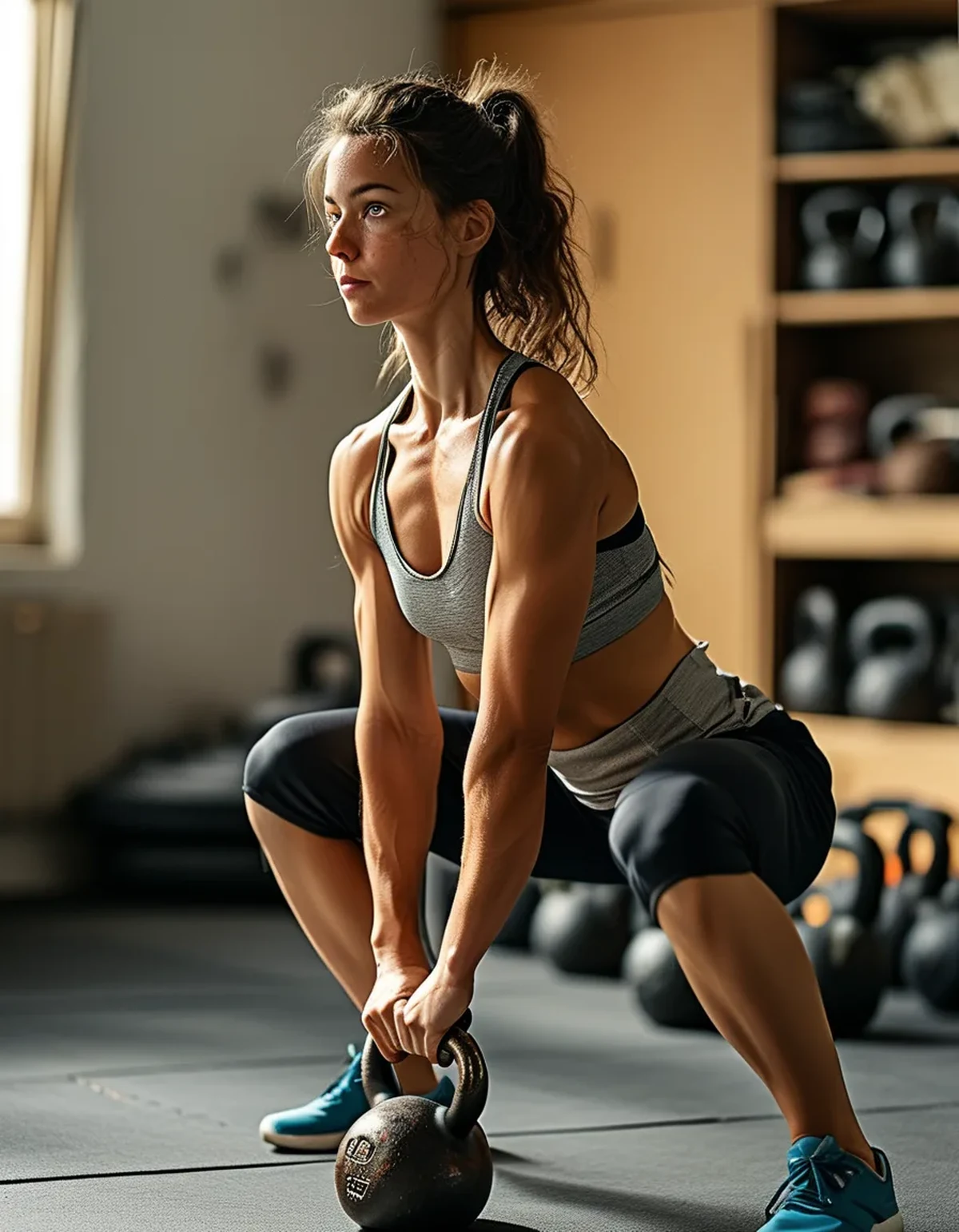
The goblet squat isn’t just a beginner exercise that gets “outgrown” — many advanced lifters still use it regularly as a mobility and technique check, since the front-loaded position exposes tightness or imbalance quickly. It’s common for people to assume it’s a stepping stone to “real” squats, when it’s genuinely still useful training well past the beginner stage.
How does it compare to a barbell back squat?
The goblet squat is generally easier to learn and lower risk for beginners since the weight sits in front rather than loaded across the upper back, and there’s no need for a squat rack or spotter. It does have a practical weight ceiling — heavier kettlebells become awkward to hold at the chest — which is typically where lifters transition toward a barbell squat once strength progresses beyond what’s comfortable to goblet-hold.
FAQ: Kettlebell Goblet Squat, Answered
What’s a reasonable starting weight for a goblet squat?
Many beginners start somewhere in the 15-25 pound range and adjust based on how controlled the movement feels through a full set of 10-12 reps — form should stay clean before weight increases.
Is it normal for the wrists or forearms to fatigue before the legs do?
Some grip and forearm fatigue is common early on since holding the bell at the chest engages the upper body isometrically, though this usually improves within a few sessions as grip endurance builds.
Can the goblet squat replace a back squat entirely in a program?
For many general fitness goals, yes, especially at lighter to moderate loads — but lifters specifically chasing heavier max-strength numbers eventually need a barbell variation to keep progressing past the goblet squat’s practical weight limit.
TL;DR:
- The front-loaded chest position naturally keeps the torso upright through the squat
- Depth target is hips below knee level, controlled by mobility, not lower back rounding
- It’s a genuinely useful exercise well past beginner level, not just a stepping stone
- Heavier goblet squats become awkward, which is the natural cue to progress to a barbell
A properly set up goblet squat teaches more correct squat mechanics in one session than most people learn from months of unweighted squats alone.
Keep Reading
This article is for general informational and styling purposes only. Fit, sizing, and product availability may vary.